
Native trees · Conservation project, not home propagation · 6 min
Bahrain: understand the grey mangrove
Avicennia marina, a native coastal tree to grow through authorized conservation work.
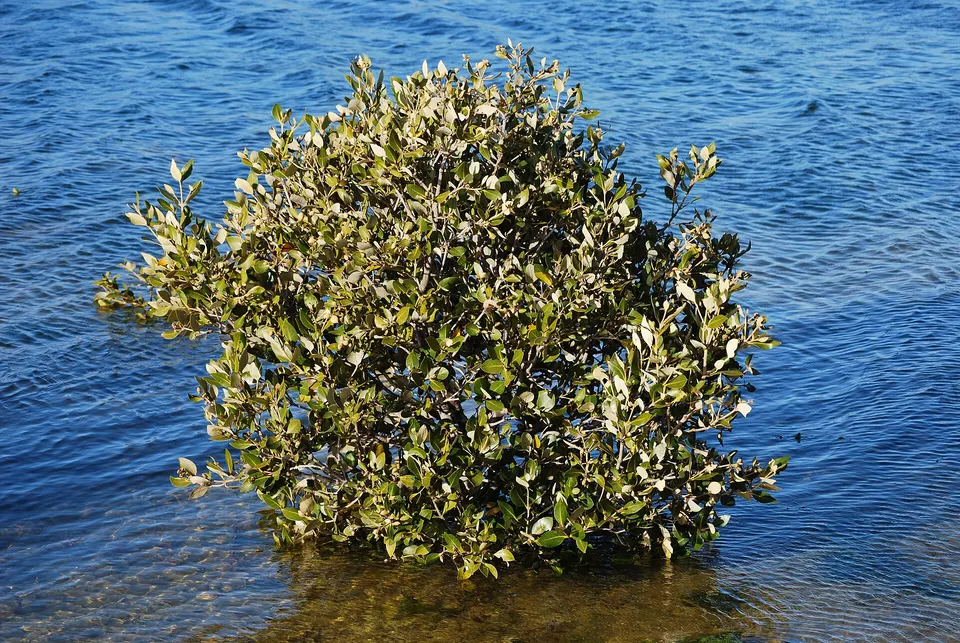
Reference photograph: Peripitus · CC BY-SA 3.0. Display may be cropped. Not the offered plant or packet.
Species reference photograph, not necessarily taken in the featured country. Country spotlights are not claims of exclusive native range.
By Growhood · Updated
Watch the conservation context
Background viewing to help explain the article, not a home-growing protocol.
Conservation background
How ecological mangrove restoration worksBy Wetlands International on YouTubeConservation context, not a Bahrain-specific or home-propagation tutorial. Do not collect wild propagules or plant on a shoreline yourself. Work with an authorised local restoration project.
Video notes
Links only, with no embedded player or autoplay. Video link checked .
Opens YouTube in a new tab.
Growing instructions
- 01
Meet a coastal native, not a garden hedge
Grey mangrove, Avicennia marina, is a native Gulf coastal tree. Bahrain's Supreme Council for Environment identifies its naturally occurring habitat in Tubli Bay, especially Ras Sanad. It supports fish nurseries and coastal wildlife. This does not make it common across Bahrain's inland neighborhoods or suitable for a normal garden bed. Its roots and surrounding mudflat are part of a functioning coastal ecosystem.
- 02
Choose participation rather than wild collection
Yes, this tree can be propagated, usually from fresh mature fruits containing developing seedlings. However, Tubli Bay is a protected reserve. Contact an authorized local conservation or nursery program before obtaining material. Do not pick fruits, dig seedlings, cut branches or take mud from protected habitat, even if your intention is to help.
- 03
Understand why fresh material matters
Mangrove fruits are not stored like dry herb seeds. Published Avicennia nursery guidance emphasizes prompt sowing and careful moisture management because viability declines quickly. A program will identify mature, healthy material and arrange collection at the appropriate local time. A fruiting calendar or germination figure from Vietnam should not be copied as a promise for Bahrain.
- 04
Learn the nursery requirements
Specialist nurseries manage substrate, drainage, water quality and salinity to support roots while avoiding harmful stagnation. The right water regime depends on the plant's stage and the project. Do not put a fruit permanently underwater in a jar, add kitchen salt to a pot, or assume that any seawater concentration will work. Follow a locally tested protocol under supervision.
- 05
Restore habitat only where approved
A nursery-grown mangrove is not ready to be planted on any beach. Survival depends on tidal elevation, currents, sediment, salinity and the ecology already present. Random planting can fail or damage other habitats. Take part in approved site preparation, planting and follow-up monitoring instead of offering seedlings as ordinary neighborhood garden plants.