
Native trees · Manageable with preparation · 6 min
Saudi Arabia: start a samr tree responsibly
Vachellia tortilis, the thorny umbrella-shaped acacia of dry landscapes.
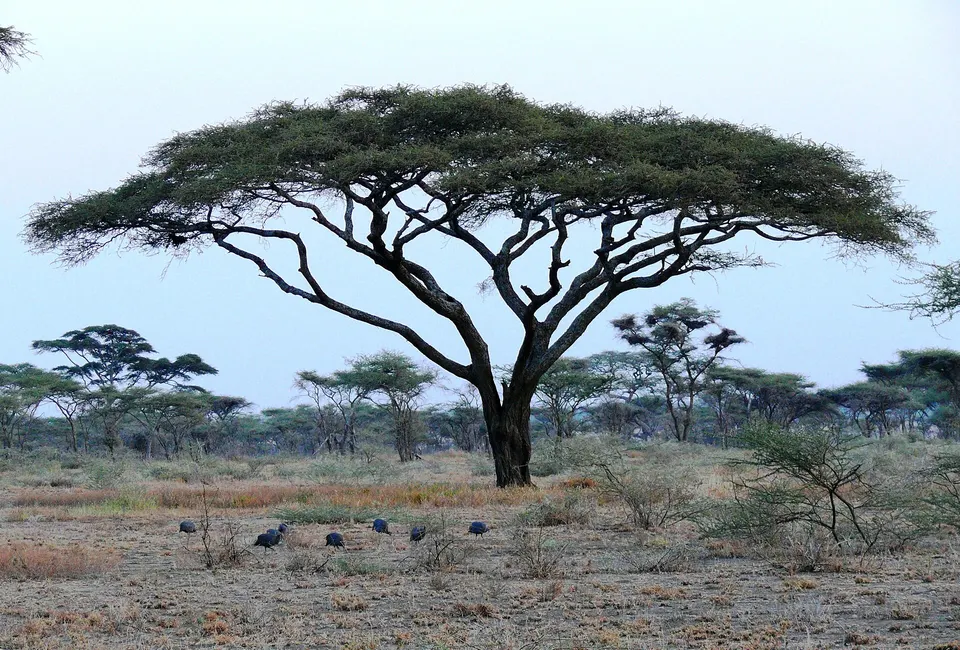
Reference photograph: Haplochromis · CC BY-SA 3.0. Display may be cropped. Not the offered plant or packet.
Species reference photograph, not necessarily taken in the featured country. Country spotlights are not claims of exclusive native range.
By Growhood · Updated
Growing instructions
- 01
Know which samr you are growing
Vachellia tortilis, also recorded as Acacia tortilis, is native in Saudi Arabia and other parts of the GCC. Its spreading crown, small divided leaves and paired thorns make it a characteristic dryland tree. Local names can refer to different acacias, so ask a nursery to confirm the scientific name and suitable local provenance. Do not assume every thorny roadside tree is this species.
- 02
Use nursery seed and allow for dormancy
Propagation from seed is feasible, but the hard coat can stop water entering and delay emergence. Buy a small, traceable seed lot rather than collecting heavily from wild stands. Ask whether it is already scarified and what germination the supplier has observed. A seed that has not emerged quickly is not automatically dead.
- 03
Choose a safe preparation method
For untreated hard-coated acacia seed, manual abrasion is an established small-batch method. Have a nursery show the safe spot, lightly rub the coat with fine sandpaper, and avoid the embryo and attachment region. Follow their soaking instructions and sow promptly. Do not improvise acid treatments or boil an unidentified seed lot; excessive treatment can kill seed as well as injure the grower.
- 04
Raise seedlings in bright shelter
Sow into deep drainage containers of fresh, free-draining mix, at the depth recommended for your seed lot. Keep lightly moist and warm, with protection from hot wind and intense afternoon sun. Once seedlings are growing, increase outdoor light gradually and check that roots are not circling. Keep thorny plants away from children's play areas and narrow walkways.
- 05
Match the tree to the land
A healthy seedling can be shared, but a large thorny tree needs space for its canopy and lateral roots. Do not plant beside paths, buried services or buildings without professional siting advice. Arrange permissions and establishment watering before planting. A Saudi highland site, an inland plateau and a humid coastal garden may need different timing and care.