
Indoor plantlets · Beginner friendly · 5 min
Spider plant babies, ready for a new home
Root a hanging plantlet and pass on an easy indoor growing project.
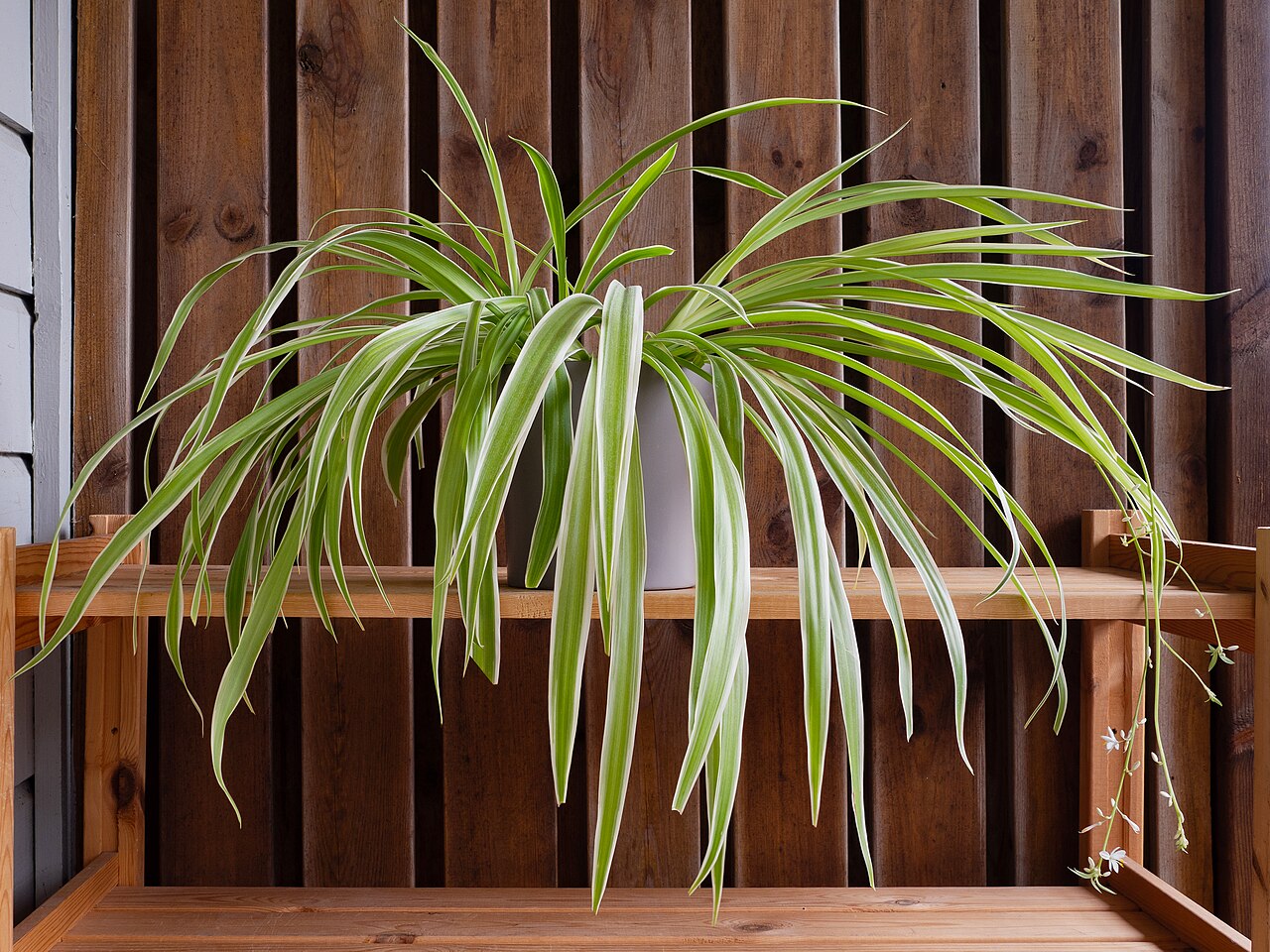
Reference photograph: W.carter · CC0. Display may be cropped. Not the offered plant or packet.
Propagation reference: Royal Horticultural Society. Gulf seasonal context: Dubai Garden Centre. Adapt timing to your own city.
By Growhood · Updated
Watch the technique
Follow this article's GCC timing and care advice alongside the demonstration.
- Propagating spider plant babiesBy South Carolina ETV · Making It Grow on YouTube
Video notes
A plantlet demonstration from Making It Grow. Use healthy babies with developing roots; this article also explains how to let a baby root while still attached.
Links only, with no embedded player or autoplay. Video link checked .
Opens YouTube in a new tab.
Growing instructions
- 01
Choose a well-developed baby
Look along the parent's hanging stems for a small rosette with several leaves and visible root nubs or roots underneath. Leave very tiny plantlets to grow. Some spider plant cultivars produce few or no babies, so do not assume every plant will make them.
- 02
Set a pot beside the parent
Fill a small draining pot with fresh houseplant mix and moisten it lightly. If the runner reaches, leave the baby attached to the parent while rooting. Stand both plants securely in bright indirect light.
- 03
Pin the base to the mix
Rest the baby's root area on the surface and gently secure it with a clean plant pin, without piercing the crown. Keep the leaf centre above the mix. Keep it lightly moist, not soaked, while roots grow. Do not wrap it in a sealed bag in Gulf heat.
- 04
Detach after the roots take hold
After a few weeks, look for fresh growth and gentle resistance when the plantlet is very lightly tested. Once rooted, snip the connecting runner with clean scissors. If you received an already detached baby, root its base directly in lightly moist mix; a baby with its own roots is easier for a beginner.
- 05
Find a suitable indoor home
A bright room with indirect daylight is a good starting point in GCC homes. Keep it away from direct AC airflow, hot glass and harsh outdoor midday sun. Water when the surface begins to dry and empty any water left in the saucer.
- 06
Give an established plant, not just a promise
Once the new plant is stable and producing growth, label it with its name, rooting date and indoor care notes. Hand it over locally in cooler hours. When it matures, it may make more plantlets for the next neighbor; young plants can take time to reach that stage.